

HomeCzech TraditionsShrovetide in Prague and the Czech Republic

Shrovetide in Prague and the Czech Republic

Shrovetide, known in Czech as Masopust, is the traditional carnival period before Lent. It is a time of feasting, dancing, masks, processions and folk customs, marking the last days of celebration before the quieter 40-day Lenten period begins on Ash Wednesday.

Masopust is a movable tradition because it depends on the date of Easter. It usually falls in February or early March, with the most important celebrations taking place in the final days before Ash Wednesday.

Although Prague has its own carnival events, the most atmospheric Masopust traditions are often found in smaller towns and villages, where masked processions, music, food and symbolic rituals are still part of local life.

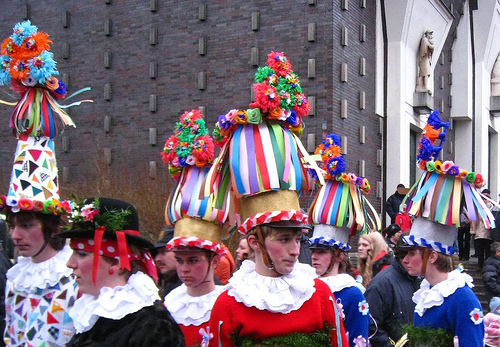
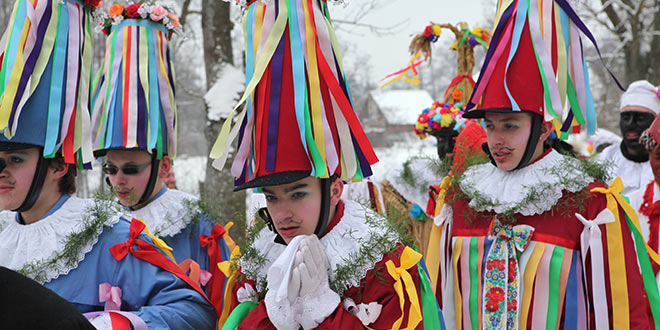
Traditional Czech Masopust procession

Visitor tip: If you are in Prague during Masopust, check local district programmes. Celebrations are often held in neighbourhoods such as Žižkov, Letná, Karlín, Břevnov, Kampa or around Jiřího z Poděbrad Square, depending on the year.

When Is Masopust?

Masopust is connected to Easter and therefore changes date every year. Traditionally, the most important days are the final Thursday, Sunday, Monday and Tuesday before Ash Wednesday.

  • Fat Thursday – a day of rich food and drink, traditionally linked with pork feasts.
  • Shrove Sunday – a day for festive lunches, music and dancing.
  • Shrove Monday – another day of entertainment, dances and local gatherings.
  • Shrove Tuesday – the climax of the celebrations, often with masked processions and symbolic performances.

After Shrove Tuesday comes Ash Wednesday, which traditionally begins Lent. In the older Christian calendar, this marked a shift from feasting to fasting.

Fat Thursday and Traditional Food

The preparations for Masopust often began on Fat Thursday, known in Czech as Tučný čtvrtek. This day was traditionally connected with pig slaughter feasts and rich meals designed to give people strength for the year ahead.

A typical meal might include roast pork with cabbage, sausages, blood sausage, pork soup, cracklings and other hearty dishes. People believed that eating and drinking well on this day would help them stay strong and healthy.

Even today, some restaurants, pubs and village celebrations offer special Masopust menus with pork dishes, pastries, beer and spirits.

Shrove Sunday and Monday

The main carnival entertainment traditionally began on Shrove Sunday. A generous lunch was followed by music, dancing and social gatherings that could continue late into the night.

On Shrove Monday, the entertainment continued. In some villages, a special ball was held for married men and women. Folk belief also connected dancing with fertility and the coming harvest. For example, people believed that the higher a farmer’s wife jumped while dancing, the higher the grain would grow in the fields.

Shrove Tuesday: Masks and Processions

Masopust reached its peak on Shrove Tuesday. This was the day for masked processions, theatrical scenes, music, jokes and symbolic rituals. People dressed as animals, devils, bears, old women, soldiers, chimney sweeps and other comic or magical figures.

Written reports of Shrovetide dances in Bohemia and Moravia go back to the Middle Ages, but the roots of the celebration are likely older. Many scholars connect the masked dances and processions with pre-Christian rituals linked to fertility, renewal and the end of winter.

In older times, even Bohemian kings prepared feasts during this season. These gatherings were first connected with nobles and later included city representatives and burghers as well.

Masopust in Prague

In Prague, Masopust is usually celebrated through neighbourhood parades, concerts, food events, children’s programmes and local festivals. These are smaller and more urban than the village traditions, but they still bring masks, music and carnival energy into the city.

Prague celebrations may include:

  • Masked processions through local streets.
  • Music, dancing and street theatre.
  • Traditional food stalls with pork dishes and sweets.
  • Children’s workshops and mask-making activities.
  • Neighbourhood festivals in squares, parks or cultural centres.

The exact programme changes every year, so visitors should check current listings shortly before travelling. Some of the most enjoyable events are local rather than heavily tourist-oriented.

Masopust Outside Prague

For a more traditional experience, travel outside Prague to smaller towns and villages. Some of the best-known Masopust celebrations are found in rural Bohemia and Moravia, where the processions still follow older local patterns.

The Shrovetide door-to-door processions and masks in the Hlinecko area of eastern Bohemia are especially important. This tradition has been recognised by UNESCO as part of the world’s intangible cultural heritage.

These village processions are not just performances for tourists. They are living local customs, connected with community identity, the agricultural year, health, fertility and the symbolic farewell to winter.

What to Eat During Masopust

Masopust is a feast before the fast, so the food is rich, filling and strongly connected with pork. Traditional dishes and treats may include:

  • Roast pork with cabbage.
  • Sausages and smoked meats.
  • Jitrnice and jelita, traditional Czech pork sausages.
  • Pork soup from pig-slaughter feasts.
  • Cracklings and lard-based spreads.
  • Koblihy, Czech doughnuts often filled with jam.
  • Beer, slivovice or other spirits, especially in village celebrations.

Food tip: If you see masopustní koblihy on a menu or at a stall, try them. These sweet doughnuts are one of the most popular carnival treats.

Why Masks Matter

Masks are at the heart of Masopust. They allow people to step outside everyday roles, make fun of authority, act foolishly, and symbolically drive away winter and bad luck.

Traditional masks often include figures such as a bear, mare, chimney sweep, devil, Turk, bride, old woman or butcher. Some characters bring luck, some represent fertility, and others are simply comic or chaotic.

The procession is usually noisy, playful and theatrical. Music, dancing, bells, jokes and mock rituals all help create the feeling that ordinary life has been turned upside down for a short time.

Practical Tips for Visitors

  • Check dates every year: Masopust depends on Easter and does not fall on the same calendar dates annually.
  • Look beyond the city centre: Prague district events and nearby towns often feel more authentic than tourist areas.
  • Dress warmly: Masopust takes place in winter, often in cold or wet weather.
  • Bring cash: Smaller food stalls or village events may not always accept cards.
  • Expect noise and crowds: Processions can include drums, bells, music and shouting.
  • Respect local customs: In villages, Masopust is a community tradition, not only a show for visitors.

Why Masopust Is Worth Seeing

Masopust is one of the most colourful Czech folk traditions. It combines food, humour, theatre, music, masks and older beliefs about winter, fertility and renewal.

For visitors to Prague, it offers a different view of Czech culture beyond castles, beer halls and Christmas markets. For those willing to travel outside the capital, Masopust can be one of the most memorable seasonal experiences in the Czech Republic.

Useful Links

RELATED ARTICLES

LEAVE A REPLY

Please enter your comment!
Please enter your name here

Most Popular

- Advertisment -

Free Prague Walking Tour

During the 4-hour walking tour of Prague, you will be introduced to the most interesting and significant historical sites in Prague, such as the Jewish Quarter, the historical buildings of the Old Town and the renowned Charles Bridge, before finishing off at the Prague Castle.